What the styles look like
Sample frames rendered by DreamTuber. Every scene image in a video uses the one style you pick.
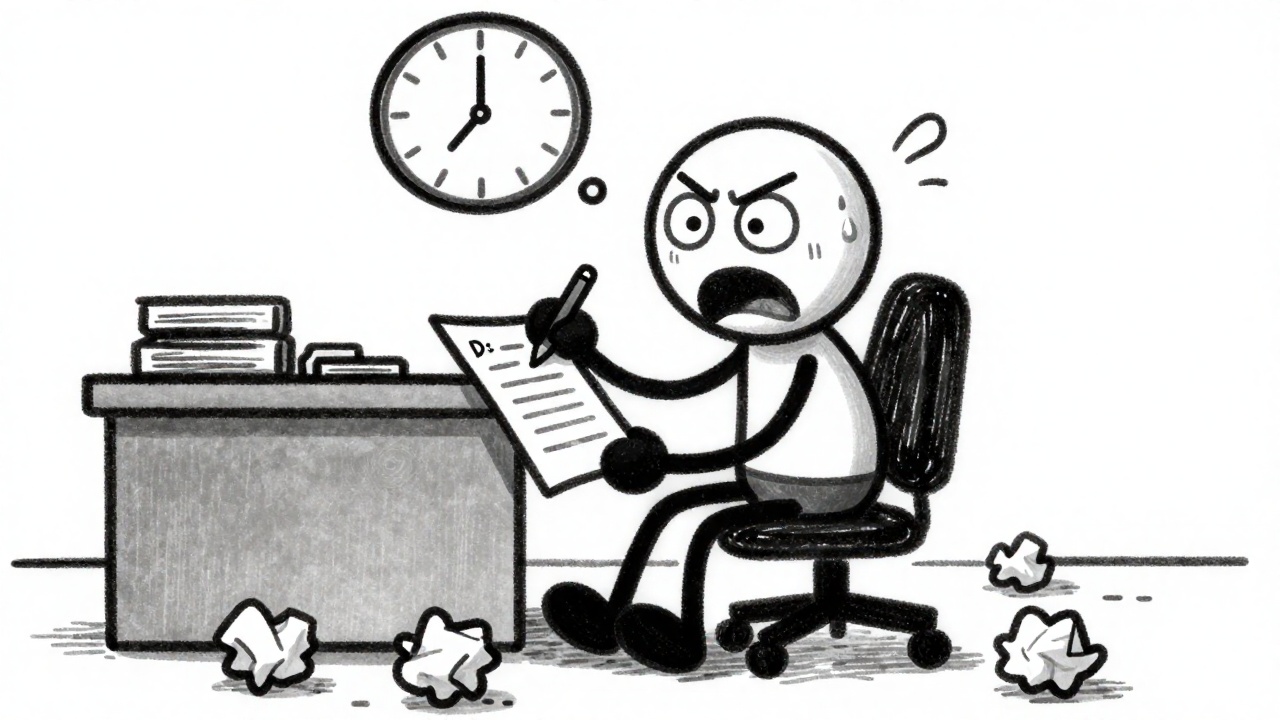

Two stickman styles, narrated and illustrated scene by scene
Stickman videos explain big ideas with almost nothing on screen — which is exactly why they work for history, psychology, finance and story channels. DreamTuber draws every moment of your script in one of two stickman styles, narrates it, and renders a finished video, so you get the format without drawing a single frame.
Doodle Stickman for comedy and drama, Flat Vector Stick Figure for clean explainers.
The script is split into moments and each one gets its own scene in the same style.
Shorts in batches, or long-form from 10 minutes to 10 hours in one render.
Sample frames rendered by DreamTuber. Every scene image in a video uses the one style you pick.
A stick figure is the cheapest possible character — no face to cast, no rig to animate — and that's its strength. With nothing to distract the eye, the viewer follows the narration. That's why the format shows up across psychology explainers, "what if" history, personal finance and storytime channels: the drawing carries the idea, the voice carries the story.
The catch for creators has always been the drawing itself. A ten-minute stickman video can need sixty to a hundred scenes, and doing that by hand is days of work. DreamTuber generates every scene from the script, in order, so the visuals match what's being said at that moment.
Doodle Stickman is drawn to look hand-sketched: thick, scratchy outlines, sweat drops, motion lines and cluttered props. It suits comedy, relatable storytime, "day in the life" and anything where emotion matters. Flat Vector Stick Figure is the tidy whiteboard look — plain circle heads and simple flat backgrounds — which suits explainers, business and education topics where clarity beats personality.
Pick one per channel and stick with it. A consistent look is part of how viewers recognise your uploads in a crowded feed, and the style is locked across every image in a video so frame one hundred matches frame one.
Stickman videos work best when every sentence suggests a picture: a character doing something, reacting to something, or standing next to an object that explains the point. Abstract sentences (“the economy changed significantly”) give the image generator nothing to draw. Rewrite them concretely (“shops closed, and lines formed outside the bank”) and the scenes follow the story.
Keep a recurring main character — give them a name, a hat or a colour — and mention those details in the script so they appear consistently.
A finished video costs about 4.33 credits a minute all-in — narration, scene images and render — so roughly 44 credits for 10 minutes and 260 for an hour. Plans start at $20/mo for 159 credits. Vertical shorts are 10 credits each, in batches of up to 30.
Let the Script tool write a chaptered script for your runtime, or paste your own.
Choose Doodle Stickman or Flat Vector Stick Figure, then one of 28 voices or your cloned voice.
Each scene gets slow camera motion; download the MP4 or publish to YouTube.
DreamTuber is a paid plan from $20/mo (159 credits). That covers about three 10-minute stickman videos, all-in.
The art style is locked across the whole video. Describe your character in the script or scene prompts to keep them recognisable.
No. Every scene is generated from your script.
Yes. Clone your voice once and use it on every video, or pick one of 28 preset voices across 23 languages.
Why DreamTuber
1 to 10 hours, rendered clean to the final second — no audio drift, no black frames, no silence at the tail, the place long videos usually fail.
Script, voiceover, visuals, and render run as a single automated job you can watch move — no stitching tools together by hand.
One monthly plan, one credit pool. $20/mo makes 3 × 10-minute videos — voice and visuals included — or 795 images, or 83 minutes of voiceover, or 15 scripts. Same pool, your call.
Download the finished file and own it. Voice cloning is consent-gated, and your topics and renders stay yours.
16:9 · 9:16 · 1:1 · preset & cloned voices · up to 10:00:00 runtime
The tools behind it
More channel ideas
Your first video is minutes away.
Generate nowMonthly plan · one credit pool for any tool